1. Why Leakage Control Matters in Industrial Fluid Systems
In any industrial fluid system—whether in oil & gas, chemical processing, clean energy, or semiconductor manufacturing—leakage is one of the most common and costly issues. Even a small leak can lead to pressure loss, product contamination, or unplanned shutdowns that cost thousands of dollars per hour.
Beyond the financial impact, leakage can also pose serious safety and environmental risks. Therefore, preventing leaks is not just a maintenance goal—it’s a core element of system reliability and operational excellence.
2. Common Causes of Leakage
To prevent leakage effectively, it’s essential to understand its root causes:
- Improper installation of fittings or valves, such as over-tightening or misalignment.
- Vibration and thermal cycling that gradually loosens connections.
- Incompatible materials leading to corrosion or deformation.
- Low-quality fittings that fail under high pressure or temperature.
- Aging seals and packing wear in frequently operated valves.
By identifying these early, engineers can take preventive action and extend system lifespan.
3. Choosing the Right Stainless Steel Fittings and Valves
Selecting the correct components is the foundation of a leak-free system.
- Material Compatibility: Use SUS316L or higher-grade stainless steel for corrosive environments or high-purity applications.
- Design Integrity: Choose fittings and valves with precision-machined threads and smooth internal finishes to minimize leak paths.
- Pressure Rating: Always match the working pressure of your fittings and valves to the system’s maximum operating pressure.
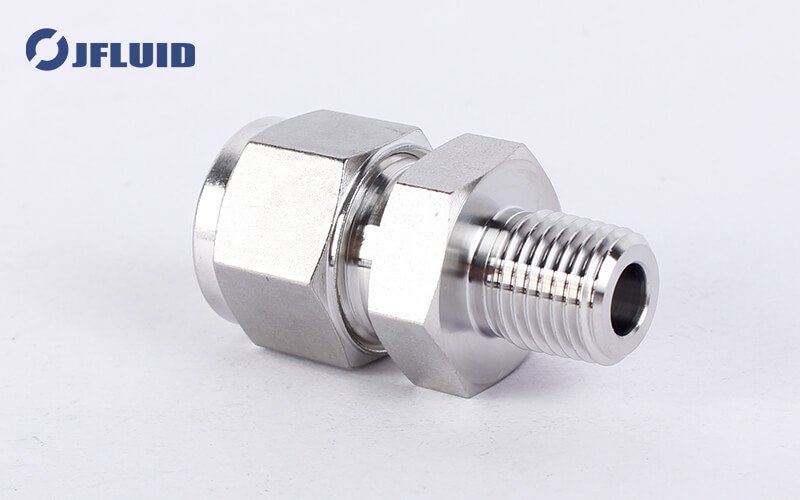
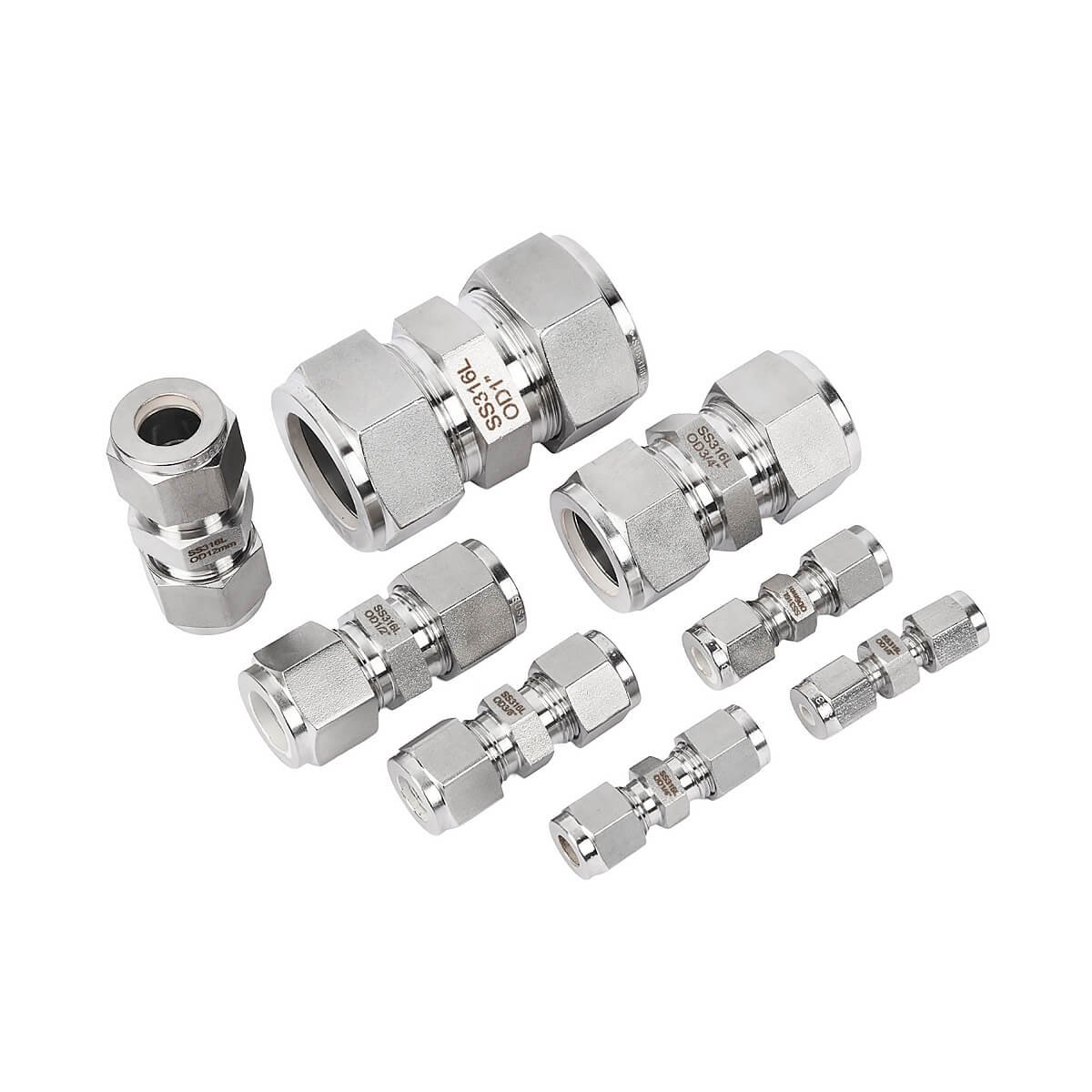
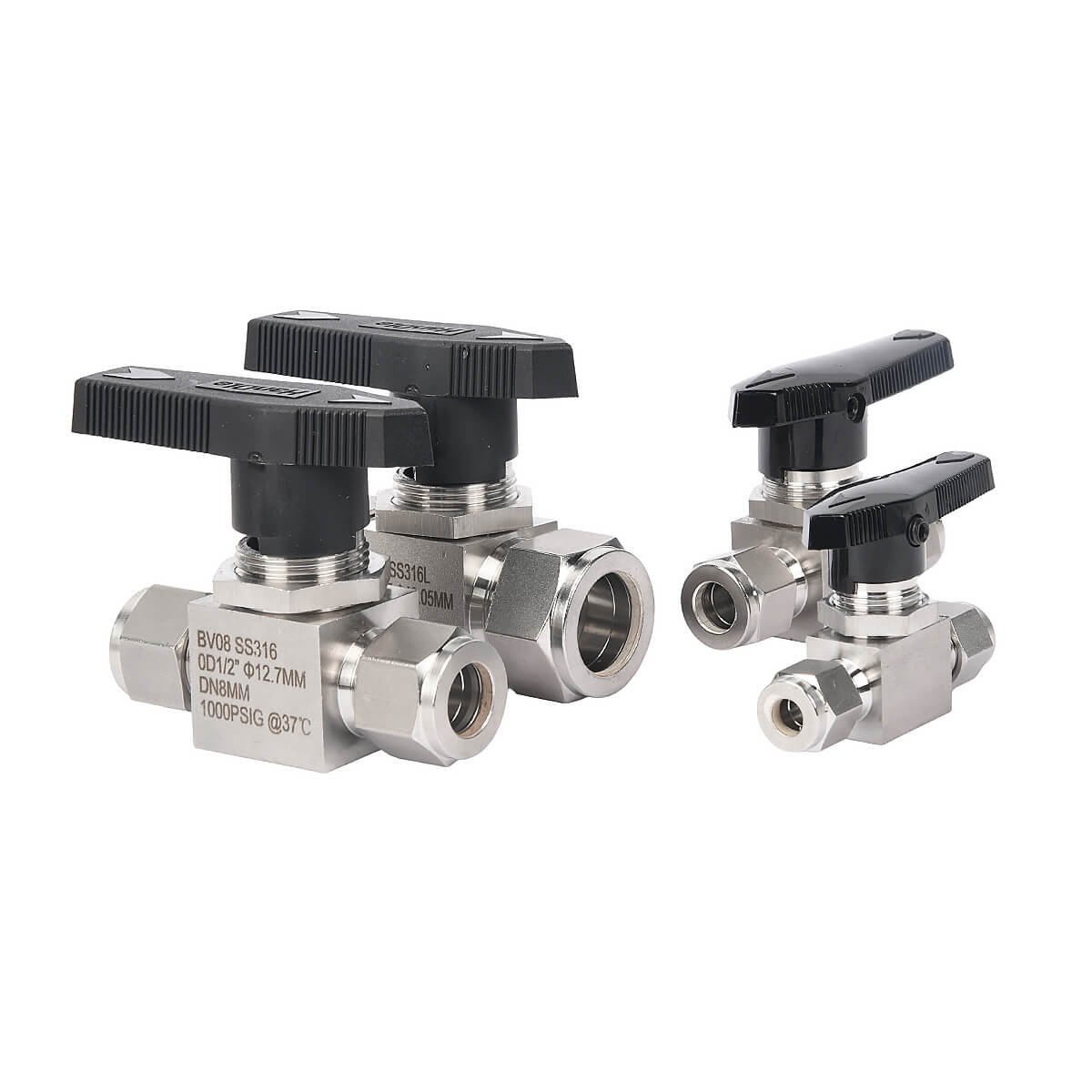
- Reliable Sealing Technology: Opt for double ferrule compression fittings or live-loaded valve designs for enhanced sealing performance.
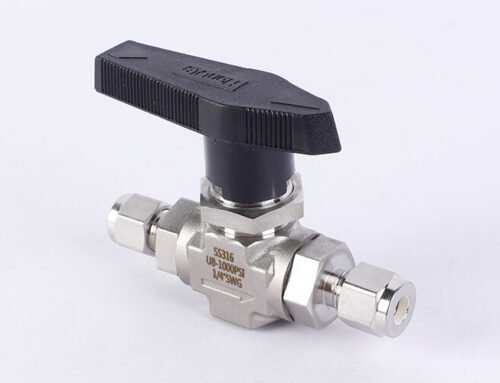
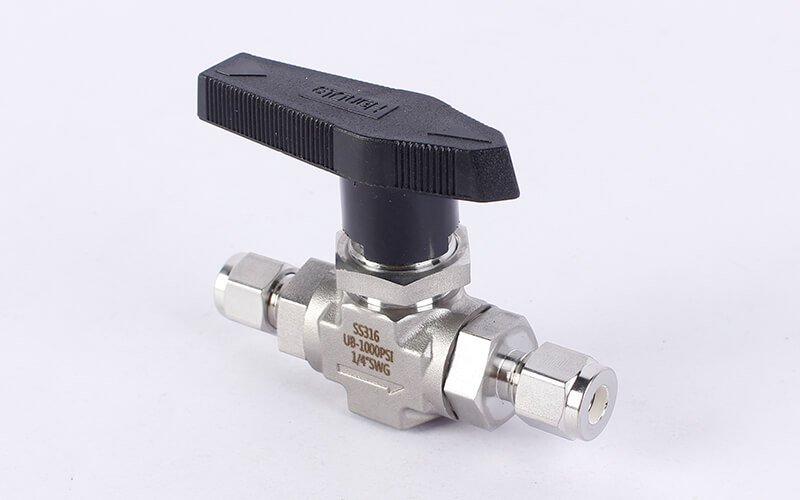
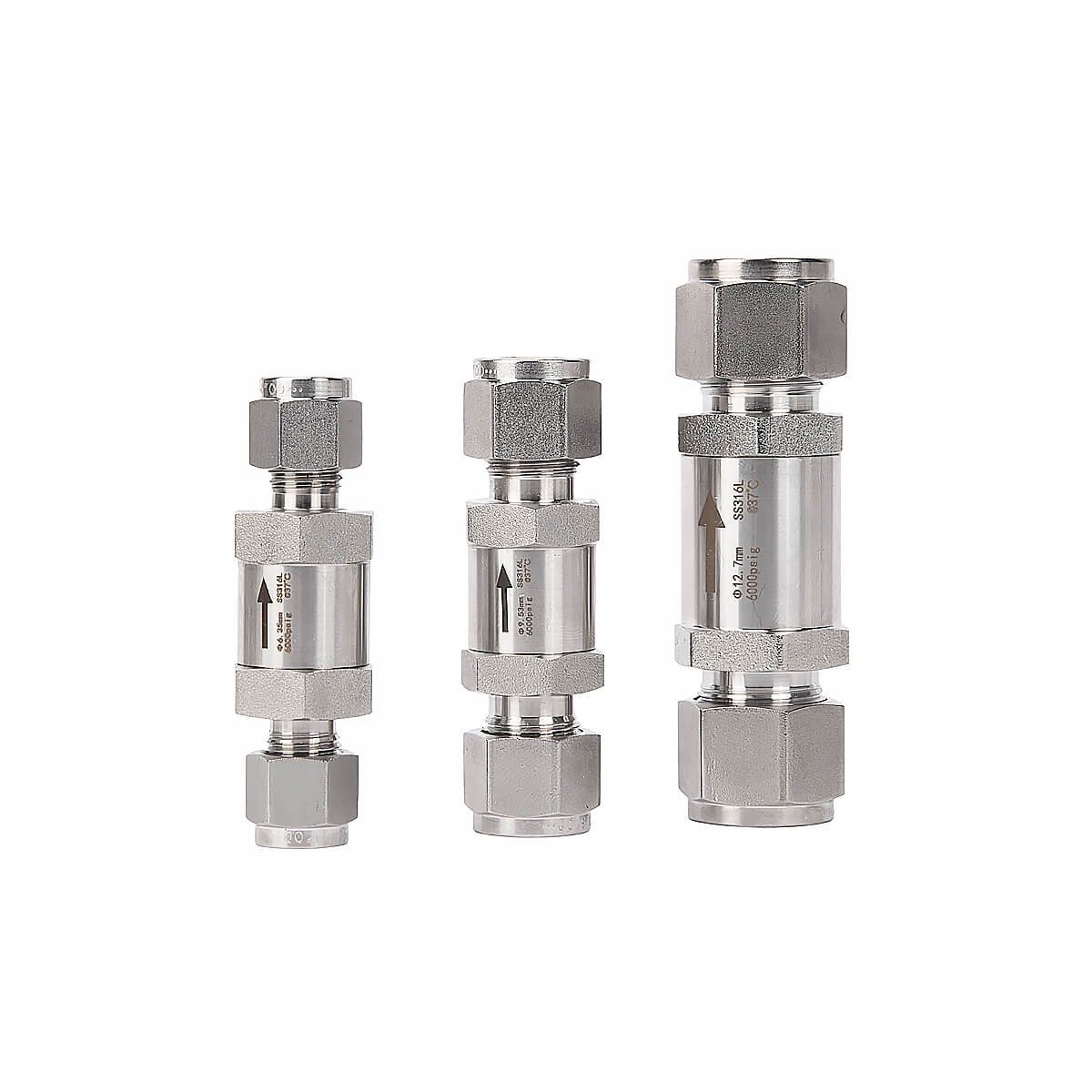
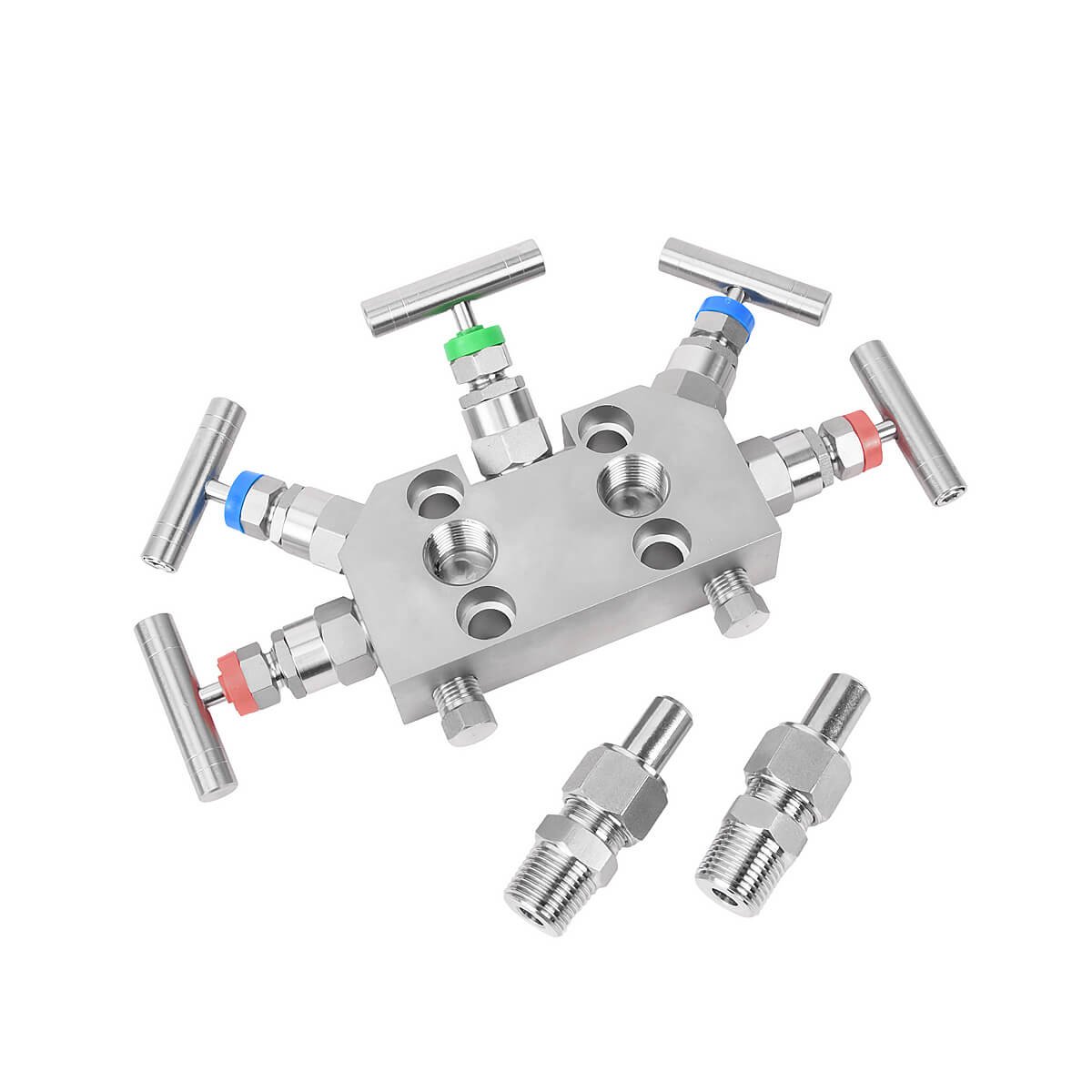
Our stainless steel fittings and valves are manufactured under strict quality control to meet international standards (ASME, ISO, API), ensuring safe and reliable connections even in harsh operating conditions.
4. Best Practices for Installation
Even the best components can leak if installed incorrectly. Follow these practices to ensure tight, reliable seals:
- Cleanliness is key: Always clean the tubing ends and threads before installation.
- Proper tube preparation: Cut tubing squarely and remove burrs to ensure full ferrule contact.
- Use proper torque: Over-tightening can deform fittings, while under-tightening leads to leakage.
- Follow consistent orientation: Ensure correct alignment between tubing and fitting body before tightening.
- Pressure testing: After installation, perform a hydrostatic or pneumatic test to verify leak-tight performance.
For international clients, we also provide online installation training and technical support to help your team master these essential steps.
5. Preventive Maintenance for Long-Term Reliability
Leak-free performance doesn’t end at installation. Regular maintenance ensures long-term reliability:
- Inspect connections periodically for signs of corrosion, vibration wear, or seal degradation.
- Replace old packing materials in valves and regulators before they fail.
- Use compatible lubricants to reduce thread galling in stainless steel connections.
- Document and track system performance to identify recurring leak points over time.
To make this easier, we offer free technical consultation and replacement services for our fittings and valves, helping customers minimize downtime and operational risk.
6. OEM & ODM Custom Solutions
Every plant and process is unique. That’s why we provide OEM and ODM manufacturing for global clients—customizing connection sizes, materials, and configurations based on your specific fluid system design.
Whether you need special high-pressure needle valves, compact ball valves, or filter, manifolds, our engineering team works closely with you to deliver the most cost-effective and reliable solution.
7. Conclusion: Build Leak-Free Systems with Confidence
Leak prevention begins with the right components, continues with proper installation, and lasts through regular maintenance. By choosing high-quality stainless steel fittings and valves and working with a professional supplier that offers technical expertise, customization, and after-sales support, you can ensure your system runs safely and efficiently—no matter how demanding the environment.
If you’re ready to upgrade your fluid system reliability, contact our engineering team today for product consultation or OEM customization.